Introduction
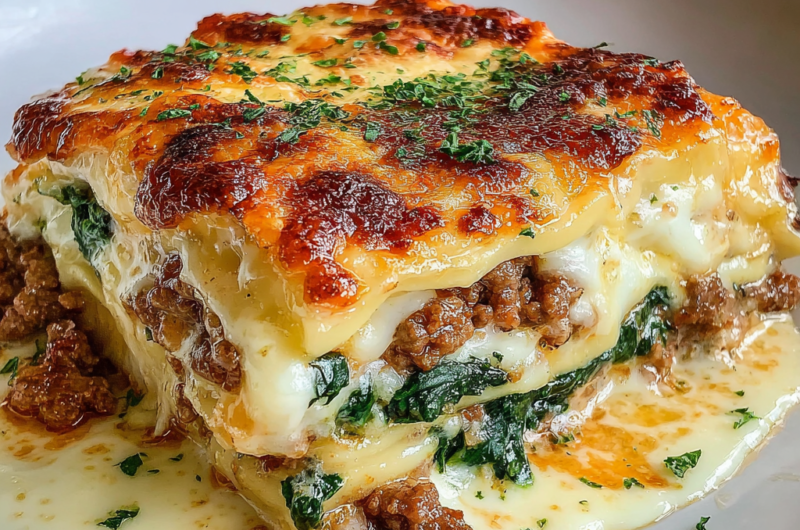
Lasagna is a classic dish cherished for its layers of flavor and heartiness. When you incorporate beef and spinach, you create a delightful balance of richness and nutrition that elevates this comfort food to new heights.
The depth of flavor from the beef melds beautifully with the earthy spinach, while the creamy cheese adds a luscious touch that ensures every bite is satisfying. Each layer contributes to an experience that’s as rewarding to make as it is to eat.
Ingredients
- 9 lasagna noodles
These provide the structure of the dish, creating the essential layers. Their wide surface area allows for an even distribution of flavors. - 1 pound ground beef
The beef adds a rich protein element, giving substance to the dish. Its hearty flavor is crucial in creating a savory base that pairs well with other ingredients. - 4 cups fresh spinach
Spinach adds a vibrant color and boosts the nutritional profile. When cooked, it wilts down, allowing its flavors to meld seamlessly with the beef. - 2 cups ricotta cheese
Rich and creamy, ricotta helps bind the layers together while providing a mild flavor that complements the stronger ingredients. - 2 cups shredded mozzarella cheese
Mozzarella brings a delightful stretch and gooeyness to the lasagna. It adds a mild flavor that helps balance the richness of the beef and ricotta. - 1 cup grated Parmesan cheese
Parmesan introduces a sharp, salty component that deepens the overall flavor. It's often sprinkled between layers for added taste. - 1 egg
The egg acts as a binding agent for the ricotta, ensuring that the cheese mixture stays intact while baking, adding a slight firmness. - 2 cloves garlic, minced
Garlic enhances the dish with aromatic depth, providing a fragrant backdrop to the beef and spinach. - 2 cups marinara sauce
Marinara serves as both a flavorful moisture source and a tangy contrast to the richness of the cheese and meat. - 1 teaspoon Italian seasoning
Combining herbs like oregano and basil, Italian seasoning adds complexity and a classic Italian flavor profile. - Salt and pepper to taste
Essential for balancing flavors, salt enhances the dish's overall taste, while pepper provides a hint of spice.
Directions & Preparation
Step 1: Preheat the oven to 375°F (190°C).
Starting with a preheated oven is crucial as it ensures even cooking and proper melting of the cheeses. This temperature is ideal for baking the lasagna to achieve a bubbly, golden top while maintaining a moist interior.
Step 2: Cook the lasagna noodles according to package instructions.
Cooking the noodles al dente is key; they will continue to cook once assembled in the dish. If they're overcooked now, they will turn mushy during baking. Drain and lay them flat on a clean kitchen towel to prevent sticking.
Step 3: In a skillet, cook the ground beef over medium heat until browned.
Browning the beef not only improves its flavor but also allows the fat to render, which will enrich the overall sauce. Make sure to break it up into small pieces for even cooking and to avoid clumping.
Step 4: Add the minced garlic and cook for an additional minute.
Adding garlic at this stage allows its flavor to infuse into the meat. Cooking it briefly prevents it from burning and turning bitter, enhancing the overall depth of flavor.
Step 5: Stir in the spinach and cook until wilted, about 2-3 minutes.
Cooking the spinach with the beef integrates its flavor into the mixture while removing excess moisture. This step prevents a watery lasagna, ensuring a pleasant texture throughout.
Step 6: In a bowl, combine ricotta cheese, egg, Italian seasoning, and a pinch of salt and pepper.
Mixing these ingredients together gives the ricotta a unified flavor and helps it bind the lasagna layers. The egg is critical in keeping the cheese mixture stable as the lasagna cooks.
Step 7: Spread a layer of marinara sauce on the bottom of a baking dish.
The sauce acts as a base that helps prevent the noodles from sticking while adding moisture to the dish. This first layer creates a flavorful foundation that permeates the entire lasagna.
Step 8: Layer three lasagna noodles over the sauce.
This forms the first layer of your lasagna. Ensure that the noodles are slightly overlapped to cover the sauce completely, which helps in keeping the layers intact during assembly.
Step 9: Spread half of the ricotta mixture over the noodles.
This layer introduces creaminess to the dish. Spreading it evenly helps balance the cheese flavors and prevents any one layer from overwhelming others.
Step 10: Add half of the beef and spinach mixture on top.
Layering the meat and spinach mixture at this stage not only distributes the flavors but also builds a hearty layer that enhances the overall texture of the lasagna.
Step 11: Sprinkle with a third of the mozzarella and Parmesan cheeses.
Cheese contributes to the melty, gooey texture that lasagna is known for. The combination of mozzarella and Parmesan adds richness and a slight tang, creating layers of flavor.
Step 12: Repeat layers, starting with marinara sauce, noodles, ricotta, beef mixture, and cheese.
Building additional layers increases complexity and texture. Each layer should mirror the first to ensure a harmonious flavor profile throughout your lasagna.
Step 13: Finish with a final layer of noodles topped with marinara sauce and remaining mozzarella and Parmesan cheeses.
The final layer helps seal the lasagna, and the sauce keeps the top moist while allowing it to brown beautifully. The cheesy topping is critical for that coveted bubbling, golden crust.
Step 14: Cover with foil and bake for 25 minutes.
Covering with foil prevents the top from browning too quickly while allowing the cheese beneath to melt. After 25 minutes, removing the foil enhances browning for that perfect finish.
Step 15: Remove foil and bake for an additional 15-20 minutes, or until golden and bubbly.
This final baking time allows the cheese to fully melt and develop a golden crust. Pay attention to the bubbling sounds—this is a good indication that your lasagna is cooking perfectly.
Step 16: Let the lasagna rest for 10-15 minutes before slicing.
Letting the lasagna rest allows the layers to set, preventing it from collapsing when you cut into it. This step ensures clean, beautiful slices and enhances the overall presentation.

The Perfect Cheese Blend for Lasagna
Choosing the right cheeses is critical in assembling your lasagna. While ricotta serves as the creamy base, the blend of mozzarella and Parmesan contributes layers of flavor and texture. The mozzarella's gooey consistency creates a delightful pull, while Parmesan adds robustness. Mixing in some fontina or gouda can offer a new flavor dimension that further enriches the dish.
Elevating Marinara: Homemade vs. Store-bought
Using a high-quality marinara sauce can significantly impact your lasagna's flavor profile. While store-bought sauces offer convenience, homemade marinara can elevate your dish with its fresh, robust flavors. When making marinaras at home, consider simmering them longer with fresh herbs and spices for a depth that store-bought brands often lack. This can balance the richness of the cheese and meat beautifully.
Spinach: A Nutritional Powerhouse
Incorporating spinach into your lasagna not only enhances its vibrancy but also increases its nutritional value. Spinach is packed with vitamins A and C, iron, and antioxidants, making your comfort dish healthier. Additionally, lightly cooking spinach reduces oxalates, making the iron content more absorbable. This means you can indulge in a delicious meal that also supports your well-being.
FAQs
What if my lasagna is too watery?
If you find your lasagna is watery, ensure you've squeezed excess moisture from the spinach before layering. You can also cook the marinara sauce longer to thicken it prior to assembly.
Can I use ground turkey instead of beef?
Yes, ground turkey is a lighter alternative to beef and can retain moisture when cooked properly. Just remember to season it well to enhance its flavor.
Why is my cheese not melting properly?
If your cheese isn't melting, it may be due to an oven temperature that is too low or a cover that restricts moisture escape. Ensuring a final uncovered baking time helps achieve that gooey texture.
How do I know when the lasagna is done?
Your lasagna is done when the top is golden brown and the edges are bubbling. A knife inserted should slide through with little resistance.
Why did my lasagna fall apart when slicing?
If your lasagna fell apart, it likely wasn't allowed to rest long enough. Letting it sit for 10-15 minutes gives it time to set, ensuring clean cuts.
Can I add more vegetables to this recipe?
Absolutely! You can introduce other vegetables like zucchini, mushrooms, or bell peppers to enhance flavors and textures. Just sauté them first to remove excess moisture.
Conclusion
Crafting beef and spinach lasagna at home combines tradition with a personal touch that restaurant meals often lack. Each layer tells a story, showcasing the flavors and textures that you love.
With a bit of preparation and care, you have the power to create a dish that not only warms the heart but also nourishes the body, making it a perfect centerpiece for any gathering or family meal.
Recipe Card

Reimagining Comfort with Beef and Spinach Lasagna
Ingredients
Method
- Preheat the oven to 375°F (190°C).
- Cook the lasagna noodles according to package instructions.
- In a skillet, cook the ground beef over medium heat until browned.
- Add the minced garlic and cook for an additional minute.
- Stir in the spinach and cook until wilted, about 2-3 minutes.
- In a bowl, combine ricotta cheese, egg, Italian seasoning, and a pinch of salt and pepper.
- Spread a layer of marinara sauce on the bottom of a baking dish.
- Layer three lasagna noodles over the sauce.
- Spread half of the ricotta mixture over the noodles.
- Add half of the beef and spinach mixture on top.
- Sprinkle with a third of the mozzarella and Parmesan cheeses.
- Repeat layers, starting with marinara sauce, noodles, ricotta, beef mixture, and cheese.
- Finish with a final layer of noodles topped with marinara sauce and remaining mozzarella and Parmesan cheeses.
- Cover with foil and bake for 25 minutes.
- Remove foil and bake for an additional 15-20 minutes, or until golden and bubbly.
- Let the lasagna rest for 10-15 minutes before slicing.
Notes
Additional serving suggestions: pair with a crisp salad, garlic bread, or roasted seasonal vegetables for balance.
For make-ahead, prep components separately and assemble just before heating to preserve texture.
Taste and adjust with acid (lemon/vinegar) and salt right at the end to wake up flavors.