Introduction
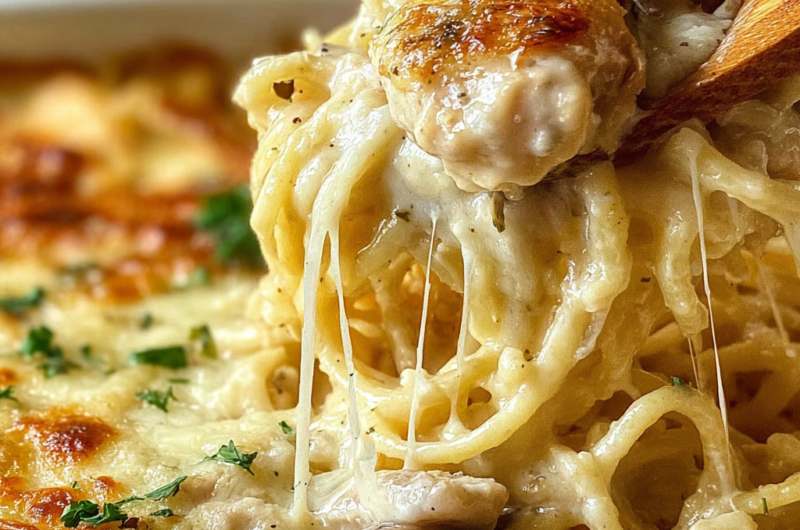
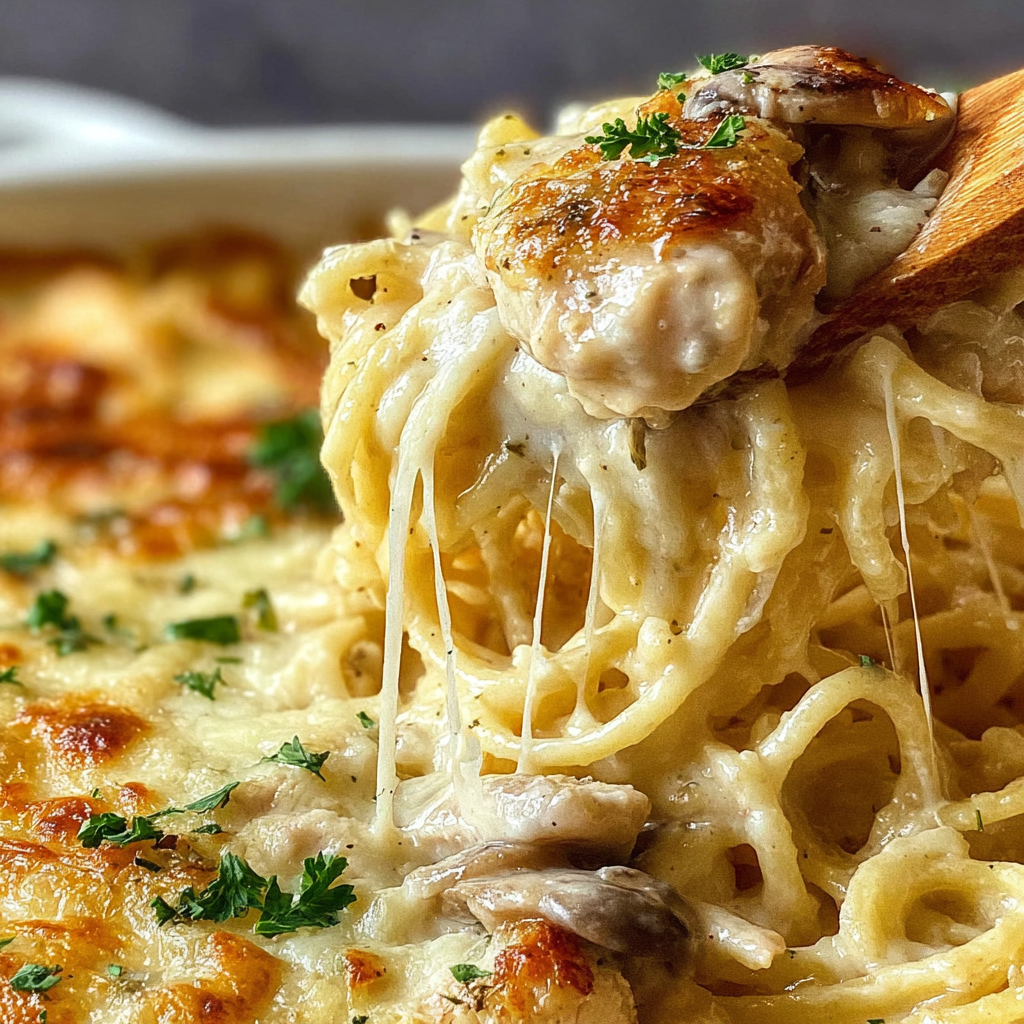
Chicken Tetrazzini Casserole is more than just a dish; it’s a comforting meal that brings family and friends together. With its creamy texture, tender chicken, and a delightful blend of flavors, it's perfect for any occasion.
The origins of Tetrazzini can be traced back to the early 20th century, and while there are many variations, this rendition captures the heart of the dish. When cooked perfectly, it offers a wonderful combination of creamy and savory that warms the soul.
In this recipe, we prioritize ingredients that enhance texture and flavor, offering a hassle-free cooking experience without compromising on taste. Whether you’re hosting a dinner party or looking for a weeknight meal, this casserole is sure to impress.
Ingredients
- 3 cups cooked chicken, shredded
Using cooked chicken adds a layer of convenience and delivers a tender texture throughout the dish. Shredded chicken allows for easier integration into the creamy sauce and pasta, ensuring every bite is flavorful. - 8 ounces spaghetti, uncooked
Spaghetti is the traditional pasta choice for Tetrazzini, providing a satisfying base that holds up beautifully in the casserole. Its long strands absorb the sauce well, contributing to the overall creaminess of the dish. - 1 cup mushrooms, sliced
Mushrooms introduce an earthy flavor and a meaty texture, adding depth to the casserole. When sautéed, they caramelize beautifully and enhance the overall richness of the sauce. - 1 cup frozen peas
Peas add a pop of color and a slight sweetness that balances the savory elements of the dish. They also contribute a nice contrast in texture against the creamy sauce and tender chicken. - 1/4 cup butter
Butter is crucial for starting the roux that will thicken the sauce. It imparts flavor and assists in creating a rich, velvety consistency that coats the pasta and chicken. - 1/4 cup all-purpose flour
Flour serves as the thickening agent in the sauce. When combined with butter, it creates a roux that ensures the casserole isn’t too runny and adheres well to the other ingredients. - 2 cups chicken broth
Chicken broth forms the base of the sauce, infusing additional chicken flavor and moistness into the dish. It enhances the overall savory profile, tying all ingredients together beautifully. - 1 cup milk
Milk adds creaminess, enhancing the mouthfeel of the sauce. It works in conjunction with the broth to create a rich, well-rounded flavor that indulgently coats the pasta and chicken. - 1 cup grated Parmesan cheese
Parmesan cheese adds a salty, nutty flavor to the dish. It not only lends creamy texture but also creates a golden crust when baked, making each serving visually appealing. - 1 teaspoon garlic powder
Garlic powder infuses a subtle garlicky warmth without overpowering the dish. It's a convenient way to enhance flavor without needing to chop fresh garlic. - 1 teaspoon onion powder
Onion powder complements the garlic powder by adding a mild onion flavor that enhances the overall seasoning of the casserole. It provides depth without the need for fresh onions. - Salt and pepper to taste
Seasoning with salt and pepper is essential for balancing flavors in the casserole. It can be adjusted according to personal preference, ensuring that every bite is seasoned just right. - 1/2 cup breadcrumbs
Breadcrumbs serve as a topping that, when baked, creates a crunchy texture contrast to the creamy casserole. They help to seal in moisture while also adding visual appeal.
Directions & Preparation
Step 1: Preheat the oven to 350°F (175°C).
Preheating the oven ensures that your casserole cooks evenly throughout. When you place the dish in a properly heated oven, it allows for consistent cooking from the start, helping the top to brown beautifully.
Step 2: Cook the spaghetti according to package instructions until al dente, then drain and set aside.
Cooking the spaghetti until al dente is important as it will continue to soften in the oven. Overcooking at this stage may lead to mushy pasta, diminishing the overall texture of the casserole.
Step 3: In a large pan, melt the butter over medium heat.
Melting the butter properly activates its flavor and prepares it for the next steps. Medium heat helps prevent the butter from burning, ensuring a pleasant buttery taste without bitterness.
Step 4: Add the flour and stir to create a roux, cooking for 1-2 minutes.
Cooking the roux helps to eliminate the raw flour taste and thickens the sauce effectively. Stirring constantly will prevent it from browning too much and keeps the mixture smooth.
Step 5: Gradually whisk in the chicken broth and milk, stirring continuously until the mixture thickens.
Adding the broth and milk gradually helps to prevent lumps from forming in your sauce. Continuous stirring is key; this aids in achieving a smooth consistency that will beautifully coat the pasta and chicken.
Step 6: Stir in the garlic powder, onion powder, salt, and pepper to taste.
Seasoning the sauce at this stage is crucial, as it allows the flavors to meld beautifully while cooking. Adjusting the seasoning now ensures that the entire dish is flavorful without any one ingredient overwhelming another.
Step 7: Mix in the shredded chicken, peas, mushrooms, and cooked spaghetti until thoroughly combined.
Combining all these ingredients at once fills each bite with flavor, ensuring that the chicken, veggies, and noodles are evenly coated with the creamy sauce. This step makes for a harmonious blend of textures and tastes.
Step 8: Transfer the mixture to a greased casserole dish and spread evenly.
Evenly spreading the mixture in the casserole dish helps ensure even cooking and browning across the top. Using a greased dish prevents the casserole from sticking and allows for easy serving.
Step 9: Top with grated Parmesan cheese and breadcrumbs, then bake for 25-30 minutes.
Adding cheese and breadcrumbs creates a deliciously crisp topping, which contrasts the creamy interior of the casserole. Baking until golden not only enhances flavor but also provides an enticing aroma as it cooks.
Step 10: Remove from the oven and allow to cool for a few minutes before serving.
Letting the casserole rest briefly before serving allows the flavors to settle and makes it easier to scoop out. This cooling period also prevents burns and helps maintain the casserole's shape on the plate.

Experimenting with Flavor Combinations
Chicken Tetrazzini is a versatile dish inviting numerous flavor variations. Consider adding different vegetables like bell peppers, or even sun-dried tomatoes for a tangy twist. Incorporating a splash of white wine during the sauce preparation can elevate the flavor profile further. This adaptability keeps the dish exciting and can suit a range of tastes, from classic to modern.
Perfect Sides for Your Casserole
Pairing your Chicken Tetrazzini Casserole with complementary sides enhances the meal experience. A crisp green salad drizzled with vinaigrette echoes the richness of the casserole. Alternatively, garlic bread adds a satisfying crunch and is perfect for soaking up any remaining sauce. These simple side dishes round out your meal while keeping the focus on the main event.
Serving Suggestions for Special Occasions
This casserole can easily transition from casual dinners to special occasions. For a family gathering or potluck, consider serving it in individual ramekins for a touch of elegance. You can also garnish with fresh parsley or chives just before serving, adding both color and a fresh finish. Elevating your casserole presentation can make any gathering feel special.
FAQs
What if my casserole is too thick after baking?
If your casserole is too thick, consider adding a splash of chicken broth or milk before serving. Stir gently to combine, which will help loosen the texture while retaining the flavor.
How can I make a vegetarian version of Chicken Tetrazzini?
To create a vegetarian version, substitute the chicken with a variety of vegetables, like mushrooms, zucchini, and bell peppers. You can also use vegetable broth and substitute the meat for plant-based proteins.
What can I use instead of Parmesan cheese?
If you don't have Parmesan cheese, alternative cheeses such as cheddar or Gruyère can work well. These options add a unique flavor but maintain the creamy texture essential for the casserole.
Can I use leftover turkey in this recipe?
Absolutely! Leftover turkey is a wonderful substitute for chicken in Tetrazzini. It helps to keep the dish flavorful while minimizing food waste.
What is the best way to reheat leftovers?
Reheat leftovers in the oven at 350°F (175°C) covered with foil to keep them moist. Heat until warmed through, about 20-25 minutes, to avoid drying out the dish.
How can I prevent the top from burning while baking?
To prevent the top from burning, consider covering the casserole with aluminum foil for the first 15 minutes of baking, then removing it to allow browning towards the end of the cooking time.
Conclusion
Chicken Tetrazzini Casserole is a dish that melds comfort and convenience beautifully. With its plethora of textures and rich flavors, it serves as a perfect centerpiece for any meal.
Whether you enjoy it as a weeknight dinner or a festive treat, this casserole is bound to become a favorite in your home. Experimenting with the recipe allows you to make it your own, creating delightful memories with every bite.
Recipe Card
Comforting Chicken Tetrazzini Casserole Recipe
Ingredients
Method
- Preheat the oven to 350°F (175°C).
- Cook the spaghetti according to package instructions until al dente, then drain and set aside.
- In a large pan, melt the butter over medium heat.
- Add the flour and stir to create a roux, cooking for 1-2 minutes.
- Gradually whisk in the chicken broth and milk, stirring continuously until the mixture thickens.
- Stir in the garlic powder, onion powder, salt, and pepper to taste.
- Mix in the shredded chicken, peas, mushrooms, and cooked spaghetti until thoroughly combined.
- Transfer the mixture to a greased casserole dish and spread evenly.
- Top with grated Parmesan cheese and breadcrumbs, then bake for 25-30 minutes.
- Remove from the oven and allow to cool for a few minutes before serving.
Notes
Additional serving suggestions: pair with a crisp salad, garlic bread, or roasted seasonal vegetables for balance.
For make-ahead, prep components separately and assemble just before heating to preserve texture.
Taste and adjust with acid (lemon/vinegar) and salt right at the end to wake up flavors.