Introduction
Chicken in Garlic Sauce is a fragrant dish beloved in Chinese cuisine, celebrated for its marriage of tender chicken and a rich garlicky sauce. This dish captures the essence of umami, delivering bold flavors with a subtle sweetness and a hint of heat.
Crafted with simple ingredients, this recipe elevates weeknight dinners to new heights without requiring special techniques. It's perfect for both novice cooks and those looking to impress guests with a homemade Chinese meal.
Ingredients
- 2 lbs chicken breast, sliced
Chicken breast provides a lean source of protein while ensuring quick cooking. The slicing helps the chicken absorb flavors efficiently and maintains tenderness. - 6 cloves garlic, minced
Garlic is the star of this dish, adding depth and richness. When sautéed, it releases oils that infuse the sauce with aromatic qualities. - 1/2 cup soy sauce
Soy sauce contributes a savory base to the dish, enhancing the overall umami profile. It also helps balance the sweetness and acidity. - 2 tablespoons rice vinegar
Rice vinegar adds a mild acidity that brightens the flavors, promoting a well-rounded taste experience that contrasts with the saltiness of soy sauce. - 2 tablespoons sugar
Sugar helps to create a harmonious balance between the savory and sour elements in the sauce, fostering a flavor richness that lingers. - 1 tablespoon cornstarch
Cornstarch acts as a thickener, giving the sauce a glossy texture that clings to the chicken, enhancing the overall mouthfeel. - 1 red bell pepper, sliced
The bell pepper adds color, crunch, and a hint of sweetness, complementing the other flavors while boosting the dish's nutritional value. - 1 tablespoon vegetable oil
Oil is essential for sautéing; it helps in developing the flavors during cooking and aids in achieving a golden, crispy texture. - 1/2 teaspoon red pepper flakes
Red pepper flakes provide a gentle kick, allowing you to adjust the spiciness to your preference while adding complexity to the sauce.
Directions & Preparation
Step 1: Prepare the chicken and marinade.
Begin by slicing the chicken breast into thin strips to ensure even absorption of flavors and rapid cooking. Marinate the chicken in a mixture of soy sauce, rice vinegar, and sugar for at least 30 minutes. This step is crucial for infusing the meat with flavor and tenderizing it before cooking.
Step 2: Heat oil in a pan over medium-high heat.
Warming the oil properly is vital; it should be hot enough to sear the chicken. This process not only locks in the juices but also adds a delightful crust to the chicken. If the oil is not hot enough, the chicken may release too much moisture, leading to a steamed rather than a sautéed result.
Step 3: Cook the marinated chicken until browned.
Add the marinated chicken to the hot oil, spreading it out in a single layer. Allow it to crisp up before stirring—this encourages browning and develops a deeper flavor. Resist the urge to overcrowd the pan, as this can lower the temperature and result in an inconsistent cook.
Step 4: Add minced garlic and red pepper flakes.
After the chicken is mostly cooked, add the minced garlic and red pepper flakes to the pan. The garlic needs only a short time to cook; you want it fragrant but not burnt. This infusion stage is essential for incorporating the aromatic qualities of garlic into the dish.
Step 5: Incorporate the bell pepper slices.
Stir in the sliced red bell pepper, cooking briefly until it softens. This not only enhances the visual appeal but also introduces texture and sweetness. The peppers should remain slightly crisp to provide a nice contrast to the tender chicken.
Step 6: Create the sauce with cornstarch.
In a small bowl, mix cornstarch with water to create a slurry before adding it to the pan. This thickens the sauce, allowing it to cling beautifully to the chicken and vegetables. Make sure to stir constantly to avoid lumps and ensure an even consistency.
Step 7: Simmer to let the flavors meld.
Once the sauce thickens, lower the heat and let the mixture simmer for a few minutes. This step allows the flavors to meld beautifully, which enhances the dish's complexity. Adjust the seasoning if necessary, adding a pinch of salt or more sugar to perfect the balance.
Step 8: Serve hot over rice or noodles.
Finally, transfer the chicken in garlic sauce to a serving dish and serve it immediately over steamed rice or noodles. Serving it promptly ensures that the dish retains its vibrant flavors and enticing aromas, making for a delightful dining experience.

The Importance of Marinating Chicken
Marinating chicken is a crucial step that not only infuses it with flavor but also helps tenderize the meat. The ingredients in the marinade, particularly soy sauce and sugar, play a key role in breaking down proteins, resulting in a juicier final product. For optimal results, let the chicken soak in the marinade for at least 30 minutes; longer if possible, without overdoing it to avoid mushiness.
Choosing the Right Cooking Oil
While vegetable oil is commonly used due to its high smoke point, consider using oils like sesame or peanut for an extra flavor boost. Each oil has distinct characteristics that can enhance your dish differently. However, make sure the oil you choose can withstand high heat to maintain the integrity of your chicken and achieve that perfect sear.
Garnishing for the Perfect Finish
Garnishing is often overlooked but adds a professional touch to any dish. For chicken in garlic sauce, consider sprinkling some chopped green onions or cilantro before serving. This not only enhances visual appeal but also provides a fresh flavor that complements the rich, savory elements of the dish, elevating the dining experience.
FAQs
What if my garlic burns while cooking?
If your garlic begins to burn, lower the heat immediately. Burnt garlic can impart a bitter taste to the dish, so stir it quickly and ensure you add it at the right time.
Can I make this dish spicier?
Absolutely! You can increase the amount of red pepper flakes or add a splash of hot sauce when cooking. Adjust it to your preferred level of heat for the perfect kick.
What if my sauce turns out too thin?
If your sauce is too thin, create an additional cornstarch slurry (mix equal parts cornstarch and water) and stir it in while the dish simmers. This will help thicken the sauce to the desired consistency.
Can I substitute chicken breast with another protein?
Yes, this recipe works well with chicken thighs, tofu, or even shrimp. Adjust cooking times based on the protein used to ensure proper doneness.
What if my bell peppers are overcooked?
If the bell peppers become too soft, try adding them later in the cooking process next time. Keep an eye on their texture; you want them to remain vibrant and slightly crunchy.
How can I enhance the flavors if it tastes bland?
Taste the dish before serving and adjust seasoning with a bit more soy sauce, sugar, or vinegar to balance flavors. Fresh herbs or a squeeze of lemon can also brighten the overall profile.
Conclusion
Chicken in Garlic Sauce is not just a meal; it's an experience of delightful flavors and vibrant colors. This dish brings a taste of Chinese cuisine into your home, inviting you to share a warm meal with loved ones.
With its simplicity and full-bodied flavor, it's a recipe you'll want to return to time and again, finding your own variations. Enjoy the process of cooking and indulge in the rich, satisfying flavors that this dish offers.
Recipe Card
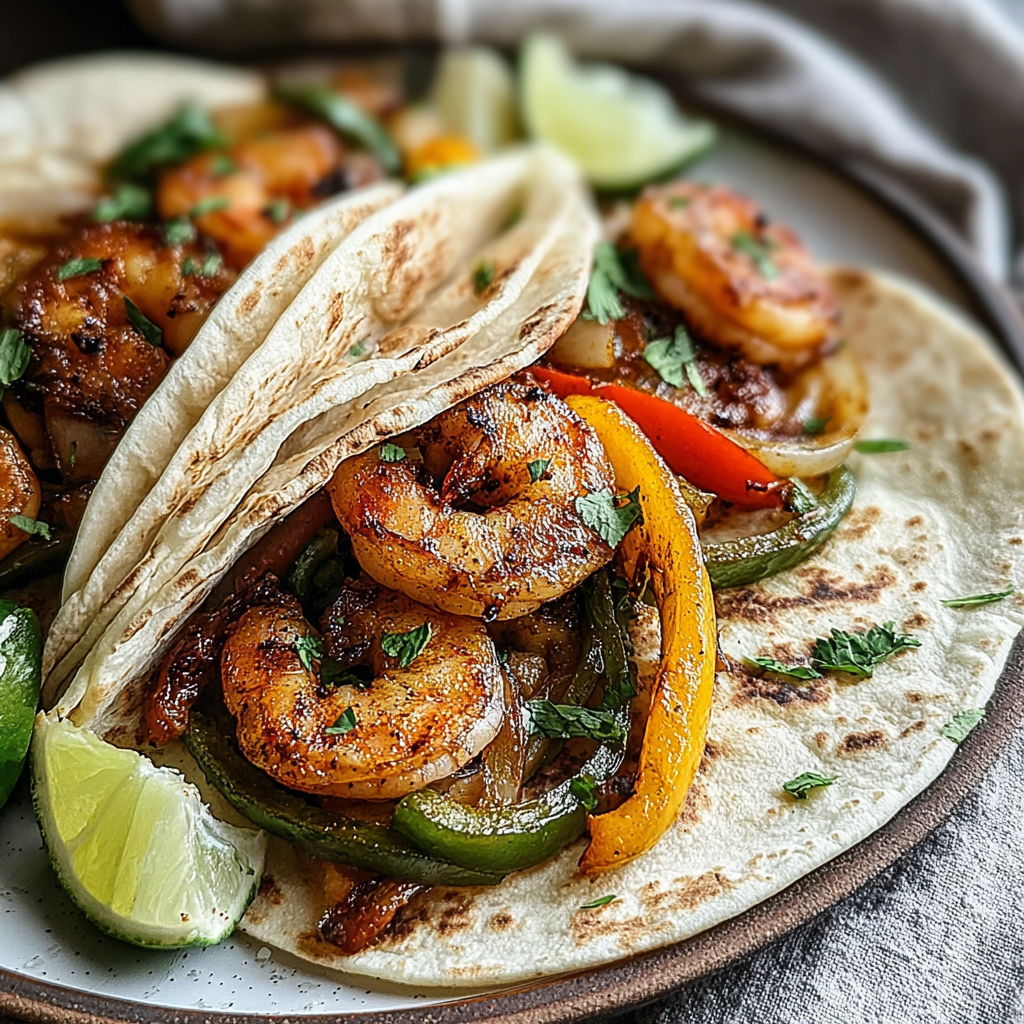
Savoring Shrimp Fajitas: A Flavorful Delight
Ingredients
Method
- Prepare the shrimp
- Marinate the shrimp
- Heat a skillet
- Cook the shrimp
- Sauté the vegetables
- Combine and finish cooking
- Warm the tortillas
- Assemble and serve
Notes
Additional serving suggestions: pair with a crisp salad, garlic bread, or roasted seasonal vegetables for balance.
For make-ahead, prep components separately and assemble just before heating to preserve texture.
Taste and adjust with acid (lemon/vinegar) and salt right at the end to wake up flavors.