Introduction
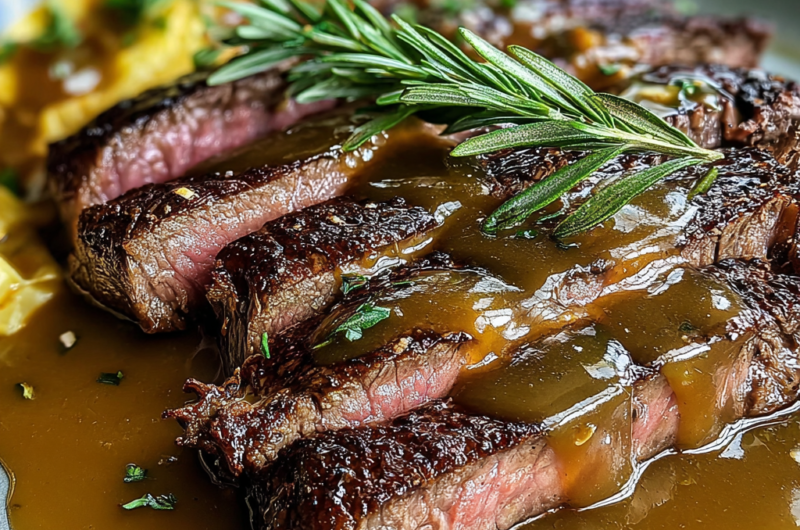
There's something undeniably comforting about a hearty plate of steak with gravy. This classic dish combines the rich flavors of perfectly seared beef with a luscious, savory sauce that elevates the meal to new heights.
Whether you're feeding a crowd or treating yourself to a special dinner, steak with gravy offers a delicious way to enjoy a simple yet flavorful dish. The synergy of tender steak and velvety gravy ensures each bite is a delight, perfect for any occasion.
Ingredients
- 2 ribeye steaks (1-inch thick)
Ribeye steaks are known for their rich marbling, which contributes to a tender and juicy texture. This cut is ideal for grilling or pan-searing, allowing for a strong beef flavor that shines through the gravy. - Salt and pepper to taste
Basic yet essential, seasoning with salt and pepper enhances the natural flavors of the steak. It is important to season generously to create a flavorful crust when searing the meat. - 2 tablespoons vegetable oil
Vegetable oil has a high smoke point, making it suitable for searing the steak without burning. It helps achieve the desired caramelization without imparting additional flavors that could overwhelm the dish. - 1 cup beef broth
Beef broth serves as the base for the gravy, providing depth and richness. The quality of the broth can significantly impact the final flavor, so opting for a homemade or low-sodium version is beneficial. - 2 tablespoons all-purpose flour
Flour is used to thicken the gravy, giving it a desirable consistency. When cooked properly, it helps create a silky texture that clings beautifully to the steak. - 1 tablespoon Worcestershire sauce
Worcestershire sauce adds umami and a hint of tanginess to the gravy, elevating the overall flavor profile. It balances the richness of the beef and adds complexity. - 1 teaspoon garlic powder
Garlic powder infuses the gravy with a warm, aromatic flavor without overpowering it. It's a convenient ingredient that rounds out the savory profile of the dish. - 1 teaspoon onion powder
Onion powder complements the garlic powder, providing sweetness and depth to the gravy. It enhances the overall savory notes while remaining subtle enough to keep the focus on the steak. - 1 tablespoon chopped fresh parsley (for garnish)
Chopped fresh parsley not only adds a pop of color but also a fresh, herbal note that brightens the dish. It offers a visual appeal and a hint of flavor that complements the rich gravy.
Directions & Preparation
Step 1: Season the steaks with salt and pepper on both sides.
Begin by liberally seasoning the steaks, ensuring even coverage on both sides. This step is crucial as it enhances the meat's natural flavor and helps form a delicious crust when seared. Allowing the seasoned steaks to sit at room temperature for about 30 minutes prior to cooking can also help improve tenderness.
Step 2: Heat the vegetable oil in a large skillet over medium-high heat.
Warming the skillet before adding the oil ensures an even temperature across the pan. This step is important for achieving a perfect sear on the steaks, which locks in juices and creates a caramelized crust. The oil should shimmer when ready, indicating it’s hot enough for cooking.
Step 3: Add the steaks to the skillet and sear for 4-5 minutes on each side.
Once the oil is hot, carefully place the steaks in the skillet, leaving room between them for proper browning. Avoid moving the steaks while they cook; this allows a crust to form. Use a meat thermometer to check for doneness: 130°F for medium-rare, 140°F for medium, etc. Once done, remove and let the steaks rest.
Step 4: Prepare the gravy by leaving the drippings in the skillet.
Do not discard the drippings left in the skillet after cooking the steaks as they are packed with flavor. They will serve as the foundation for your gravy. This step ensures you capture the essence of the steak, resulting in a rich and satisfying sauce.
Step 5: Sprinkle the flour into the skillet and whisk to combine.
Adding flour to the hot drippings allows it to toast slightly, enhancing the flavor of the gravy. Whisking continuously ensures there are no lumps, creating a smooth mixture that will thicken as the broth is incorporated. This step is key to achieving a luxurious texture in your gravy.
Step 6: Pour in the beef broth gradually, whisking continuously.
Pouring the beef broth gradually helps to avoid lumps, creating a silky gravy. Continue whisking until the mixture is smooth and starts to thicken. This step is crucial, as good whisking will give a perfect texture, incorporating the fat from the drippings and the flour into a cohesive sauce.
Step 7: Add Worcestershire sauce, garlic powder, and onion powder.
By adding Worcestershire sauce, garlic powder, and onion powder at this stage, you infuse the gravy with rich flavors. Simmering briefly allows these seasonings to meld nicely with the broth. Taste the gravy at this point and adjust seasoning if necessary to achieve the desired depth.
Step 8: Simmer the gravy for about 5 minutes until thickened.
Simmering the gravy encourages it to thicken and develop flavors, allowing the seasonings to bloom. Watch carefully to prevent it from overcooking, which can lead to a gluey texture. It’s the perfect time to taste and adjust seasonings—keeping a balance between richness and acidity is key.
Step 9: Slice the rested steaks and serve with gravy on top.
Allowing the steaks to rest after cooking helps redistribute the juices, making them tender and flavorful. Slicing against the grain ensures each piece remains easy to chew. Serve it generously drizzled with warm gravy for a finishing touch that completes the dish beautifully.
Step 10: Garnish with chopped fresh parsley before serving.
A sprinkle of fresh parsley not only enhances presentation but also adds a fresh note to the rich flavors of the gravy. This final touch brightens the dish and makes it visually appealing, inviting everyone to enjoy your carefully crafted steak with gravy.

Selecting the Right Cut of Steak
Choosing the right cut of steak is crucial for achieving the desired flavor and tenderness. Ribeye, sirloin, or filet mignon are popular choices, each with unique characteristics. Ribeye is favored for its rich marbling and juicy texture, while sirloin offers a leaner option that's still flavorful. For an upscale touch, filet mignon provides incredible tenderness but is often pricier. Each cut will yield a delicious result as long as proper cooking techniques are applied.
Mastering the Art of Gravy
Gravy is more than just a sauce; it's the art of marrying flavors that enhances the main dish. To craft a stellar gravy, take advantage of the pan drippings, which are full of flavor after cooking your steak. The addition of seasonings like Worcestershire sauce, onion, and garlic powder can deepen the flavor profile, while the gradual incorporation of broth ensures a smooth texture. Remember to whisk consistently to prevent lumps, leading to a rich and velvety sauce.
Pairing Side Dishes for Balance
When serving steak with gravy, the choice of side dishes can make or break the meal. Consider pairing the dish with creamy mashed potatoes that absorb the gravy beautifully, adding a comforting element. Steamed green vegetables, such as broccoli or green beans, provide a fresh contrast, balancing the rich flavors. A crisp salad can also add freshness and texture to the meal, ensuring a well-rounded dining experience that delights the palate.
FAQs
What if my gravy is too thick?
If your gravy turns out too thick, simply whisk in a small amount of beef broth or water over low heat until you reach your desired consistency.
How can I make my gravy more flavorful?
Enhance your gravy's flavor by adding a splash of red wine, fresh herbs like thyme or rosemary, or even a bit more Worcestershire sauce. Taste and adjust as needed.
What if I overcooked the steak?
If the steak is overcooked, consider slicing it very thinly against the grain to make it easier to chew, and serve with a generous amount of gravy to add moisture.
Can I use chicken broth instead of beef broth?
Yes, you can substitute chicken broth for beef broth; however, keep in mind that the flavor won't be as rich. You may also want to adjust seasoning accordingly.
What should I do if my gravy lacks seasoning?
If the gravy seems bland, try adding salt incrementally and tasting as you go. Additional spices like pepper or even a bit of hot sauce can also elevate the flavor.
Can I use cornstarch instead of flour for the gravy?
Yes, cornstarch can be used as a gluten-free alternative to thicken gravy. Mix it with a little cold water before adding it to the hot gravy to prevent lumps.
Conclusion
Steak with gravy is a timeless dish that brings warmth and satisfaction to any dinner table. The combination of juicy, flavorful meat and a rich sauce makes every meal a special occasion.
By following these steps and tips, you can create a perfect steak with gravy that will impress your family and friends. Enjoy the comfort of this classic recipe, and don’t hesitate to experiment to make it your own.
Recipe Card
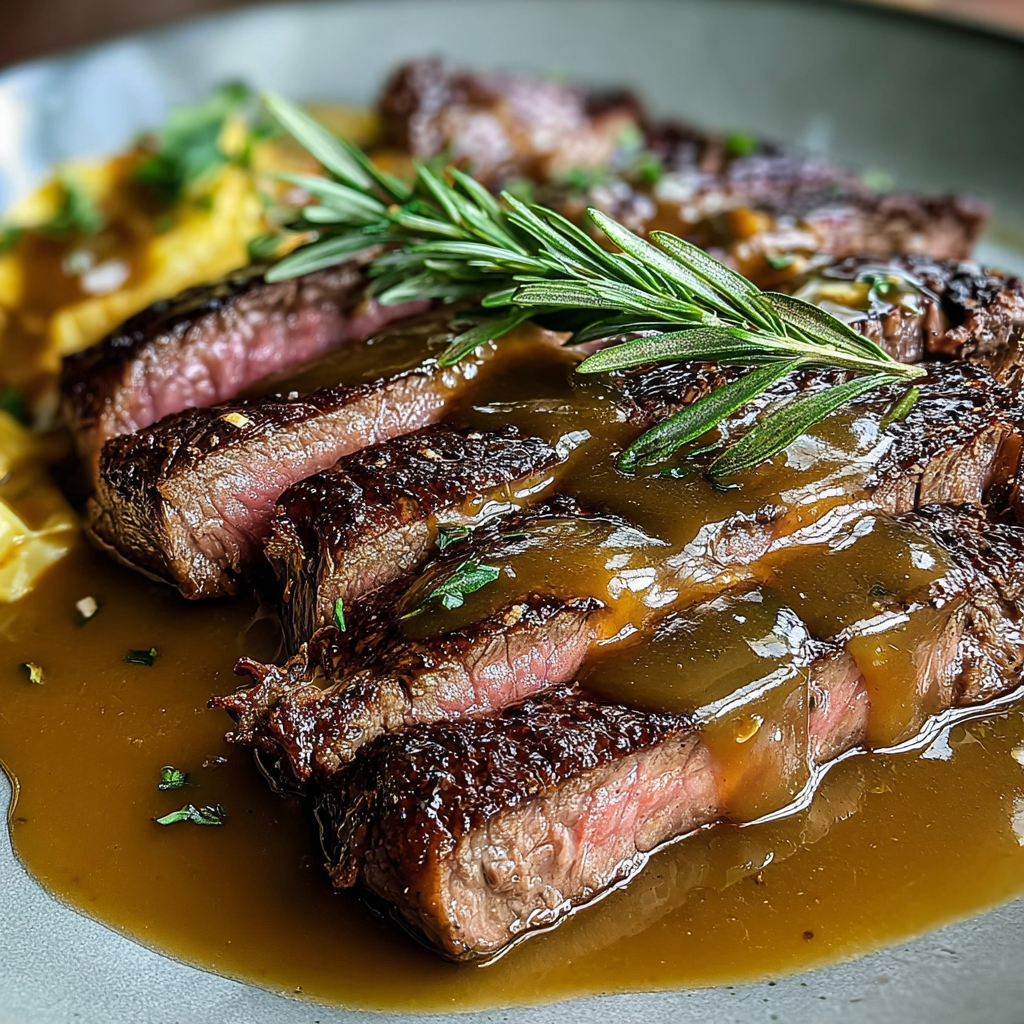
Savoring the Comfort of Steak with Gravy
Ingredients
Method
- Season the steaks with salt and pepper on both sides.
- Heat the vegetable oil in a large skillet over medium-high heat.
- Add the steaks to the skillet and sear for 4-5 minutes on each side.
- Prepare the gravy by leaving the drippings in the skillet.
- Sprinkle the flour into the skillet and whisk to combine.
- Pour in the beef broth gradually, whisking continuously.
- Add Worcestershire sauce, garlic powder, and onion powder.
- Simmer the gravy for about 5 minutes until thickened.
- Slice the rested steaks and serve with gravy on top.
- Garnish with chopped fresh parsley before serving.
Notes
Additional serving suggestions: pair with a crisp salad, garlic bread, or roasted seasonal vegetables for balance.
For make-ahead, prep components separately and assemble just before heating to preserve texture.
Taste and adjust with acid (lemon/vinegar) and salt right at the end to wake up flavors.