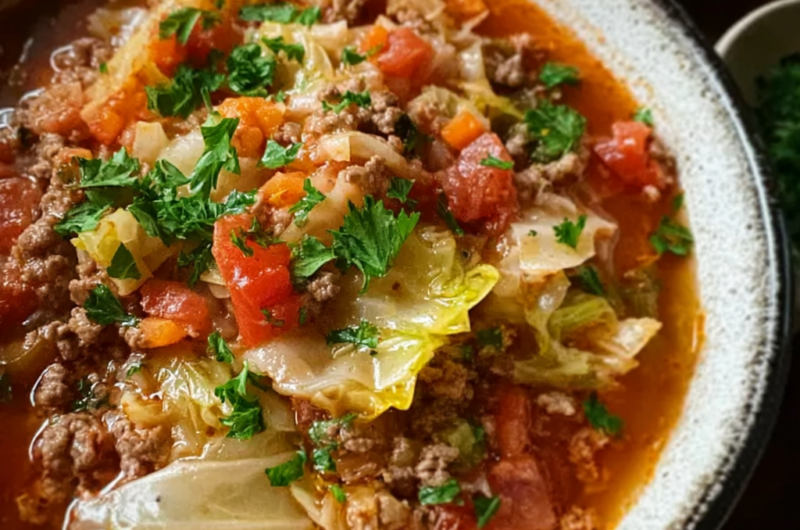
Introduction
Cabbage soup is a classic comfort dish, cherished for its simplicity and flavor. It's the kind of meal that fills your kitchen with warmth and reminds you of home cooking on chilly days.
Rich in nutrients and low in calories, homemade cabbage soup offers a satisfying way to nourish your body while enjoying the delightful crunch and taste of fresh vegetables. This dish can be customized according to your dietary preferences, making it versatile for anyone.
Whether you're looking to use up a head of cabbage or seeking a hearty meal that's easy to prepare, get ready to embrace the soothing properties of this timeless soup.
Ingredients
- 1 medium head of green cabbage, chopped
Cabbage serves as the backbone of this soup, providing a rich source of vitamins and fiber. Its natural sweetness is enhanced during cooking, contributing to the dish's overall flavor. - 2 tablespoons olive oil
Olive oil not only adds healthy fats but also helps sauté the aromatics, allowing their flavors to bloom. This fat is essential for making the soup more satisfying. - 1 large onion, diced
Onions are a foundational flavor in many soups. They bring sweetness and depth, especially when sautéed until tender and caramelized. - 2 cloves garlic, minced
Garlic adds a robust aroma and flavor that complements the other ingredients, elevating the overall taste profile of the soup. - 3 large carrots, diced
Carrots bring a natural sweetness and a bright color to the mix, as well as additional vitamins that enhance the soup's nutritional value. - 2 stalks celery, diced
Celery introduces a refreshing crunch and depth, balancing the sweetness of carrots while contributing to the soup's hearty texture. - 6 cups vegetable broth
Using vegetable broth serves as the base of the soup, providing warmth and richness. It enhances the flavors of the vegetables while keeping the dish light. - 1 teaspoon dried thyme
Thyme infuses the soup with an earthy note that pairs nicely with the vegetables, enhancing the overall savory taste. - Salt and pepper to taste
Seasoning is critical in bringing out the natural flavors of the vegetables. Adjusting salt and pepper at the end allows for a customized taste. - 1 can diced tomatoes (14.5 oz)
Diced tomatoes contribute acidity and brightness, complementing the other ingredients while lending a rich color to the soup.
Directions & Preparation
Step 1: Heat the olive oil in a large pot over medium heat.
Heating the olive oil is essential as it prepares the base for your soup. The right temperature helps the oil to reach its ideal point for sautéing, ensuring that the vegetables cook evenly and absorb the flavors.
Step 2: Add the diced onions, carrots, and celery, cooking until softened, about 5-7 minutes.
Sautéing the onions, carrots, and celery builds the flavor foundation for the soup. This technique allows the vegetables to caramelize slightly, enhancing their natural sweetness and making the soup richer.
Step 3: Stir in the garlic and cook for an additional minute until fragrant.
Garlic should be added after the other vegetables to prevent burning. When cooked just until fragrant, garlic infuses the soup with its signature aroma, increasing the dish's complexity.
Step 4: Add the chopped cabbage, stirring to combine with the other vegetables.
Incorporating cabbage at this stage allows it to wilt and meld with the other flavors as the soup simmers. Stirring ensures even cooking and prevents any clumping.
Step 5: Pour in the vegetable broth and add the diced tomatoes, thyme, salt, and pepper.
The broth serves as the main cooking liquid, enriching the flavors throughout the soup. The acidity from the tomatoes offsets the sweetness of the vegetables, creating a well-balanced taste.
Step 6: Bring the mixture to a boil, then reduce to a simmer for about 30 minutes.
Allowing the soup to boil initially brings everything up to temperature quickly, while a gentle simmer lets the flavors develop fully, resulting in a deep, satisfying broth.
Step 7: Taste and adjust seasonings as necessary before serving warm.
Tasting the soup before serving is crucial for achieving the right flavor profile. Small adjustments of salt and pepper can elevate the entire dish, ensuring it's perfectly seasoned for your palate.

Elevate Your Cabbage Soup with Variations
While this cabbage soup recipe is fantastic as-is, it’s also highly adaptable. You can incorporate proteins like beans, lentils, or shredded chicken for an extra nutritional boost. Adding some fresh herbs or a splash of vinegar just before serving can brighten up the flavors, taking your soup to the next level.
The Nutritional Benefits of Cabbage
Cabbage is a nutrient-dense vegetable packed with vitamins K and C, antioxidants, and fiber, making this soup as healthy as it is comforting. Including it in your diet can support digestion, improve immunity, and even promote heart health. Its mild flavor allows it to blend well with various ingredients, enhancing health benefits without overwhelming taste.
Homemade Cabbage Soup: A Family Tradition
This cabbage soup can easily become a family favorite, evoking nostalgia and warmth. Sharing meals at the table brings families together, and this soup can be a staple during gatherings or chilly evenings. The simplicity of preparation makes it a welcomed choice for cooks of all levels, encouraging all to enjoy hearty, home-cooked meals.
FAQs
What if my cabbage soup turns out too thick?
If your soup is too thick, simply add a bit more vegetable broth or water and stir until you reach your desired consistency.
How can I make my cabbage soup more flavorful?
If your soup tastes bland, consider adding a splash of soy sauce, vinegar, or a pinch of smoked paprika to boost the flavors.
Can I substitute fresh herbs for dried thyme?
Yes, if using fresh thyme, double the amount since fresh herbs are less potent than dried—add them towards the end of cooking for optimal flavor.
What is the best way to use leftover cabbage?
Leftover cabbage can be used in salads, stir-fries, or slaws to help prevent waste and add crunch to dishes.
Can I add other vegetables to the soup?
Certainly! Feel free to customize with vegetables like bell peppers, spinach, or zucchini to brighten the flavors and add variety.
Is it possible to overcook cabbage soup?
Yes, overcooking can cause the cabbage to become mushy. Aim for a tender texture that still retains some bite for the best eating experience.
Conclusion
Homemade cabbage soup is a versatile dish that welcomes creativity while offering nourishment and comfort. With its health benefits and ease of preparation, it's perfect for families or individuals seeking simple, nutritious meals.
By embracing seasonal ingredients and utilizing your personal tastes, you can make this soup uniquely yours. Whether served as an appetizer or a main course, enjoy the heartwarming comforts of homemade cabbage soup.
Recipe Card
Notes
Additional serving suggestions: pair with a crisp salad, garlic bread, or roasted seasonal vegetables for balance.
For make-ahead, prep components separately and assemble just before heating to preserve texture.
Taste and adjust with acid (lemon/vinegar) and salt right at the end to wake up flavors.